Home/Philosophy
PhilosophyEvery child,
the hero of their own story.
“Nothing interests my child.” “Good grades, but no idea what they want to do.” The problem is rarely effort. It is that someone else has been writing the script. Purpose is what turns a child from a supporting role into the lead.
Only one in five young people
has a real sense of purpose
Stanford professor William Damon and his team studied 1,200 young people aged 12 to 26. Only one in five had found something they truly cared about and kept acting on it.
More than half were stuck in between: full of ideas but never starting, or trying everything and sticking with nothing. That is where most of the families who come to me find themselves.
Sources: Damon, W. (2008). The Path to Purpose; Damon, Menon & Bronk (2003), Applied Developmental Science; Yeager et al. (2014), Journal of Personality and Social Psychology; OECD Learning Compass 2030.
Purposeful
Found what they care about, and act on it
Daydreamers
Have aspirations, not yet acting
Dabblers
Tried many things, no direction
Disengaged
No visible goals, little commitment
“Getting into a top university” is a goal.
“Doing what I love or do well,
and helping others with it” is purpose.
Top schools, grades and certificates are means, yet many people treat them as the finish line.
A goal ends once you reach it. Purpose keeps you moving.
I got things wrong, too
After working with tens of thousands of families, I gave up three things I once believed without question.
Before: raise high achievers
Now: help children discover themselves
“High-achieving” is a standard someone else sets. I care more about whether a child knows who they are and what they’re good at.
Before: give children more resources
Now: spark the ability to learn on their own
With seven or eight classes a week, children are pushed along and stall the moment the pushing stops. A child who can learn independently keeps going, even with less.
Before: plan children’s lives for them
Now: let them lead their own lives
Good grades and a good school first, then the things you care about? Flip the order. Become who you want to be, and the rest follows.
If life
were a tree
Parents often ask whether they should sign up for one more class. I ask them to picture a tree first. Many families are busy picking fruit while the roots and trunk are still weak.
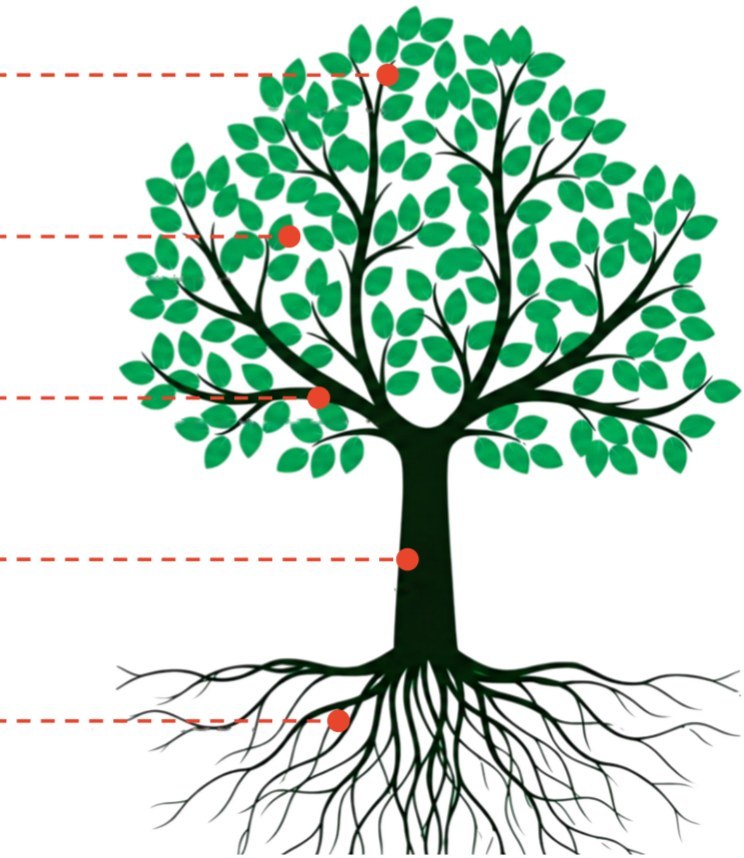
Understand the child first,
then design the learning
Design thinking starts with people. First understand what a child cares about, what they’re good at and where they’re stuck. Then help them build something and test it in the real world.
- Understand
- Try it
- Test it in the real world
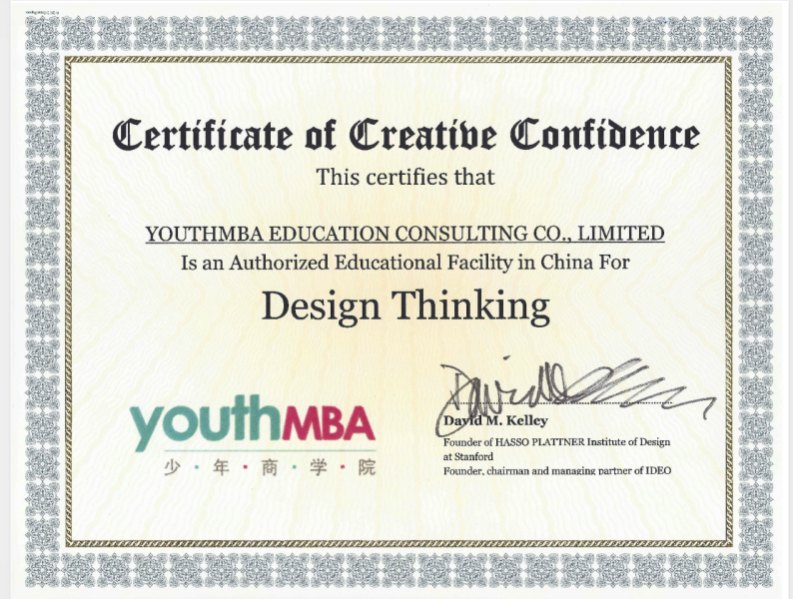
In 2014, David Kelley, founder of the Stanford d.school and IDEO, authorized me to promote design thinking education in China.
Learn how to learn, broaden horizons, go global
Over the past decade and more, I have built this approach into several ventures.
Independent learning for the AI era
Knowledge is everywhere. What sets children apart is whether they can learn on their own and manage themselves.
Liberal education and exploring the world
Children can only choose from the options they have seen. Reading widely and getting out into the world shows them what makes them shine.
Personalized growth and global pathways
A plan for each child that ties interests, talents and work into one story, leading to university and beyond.