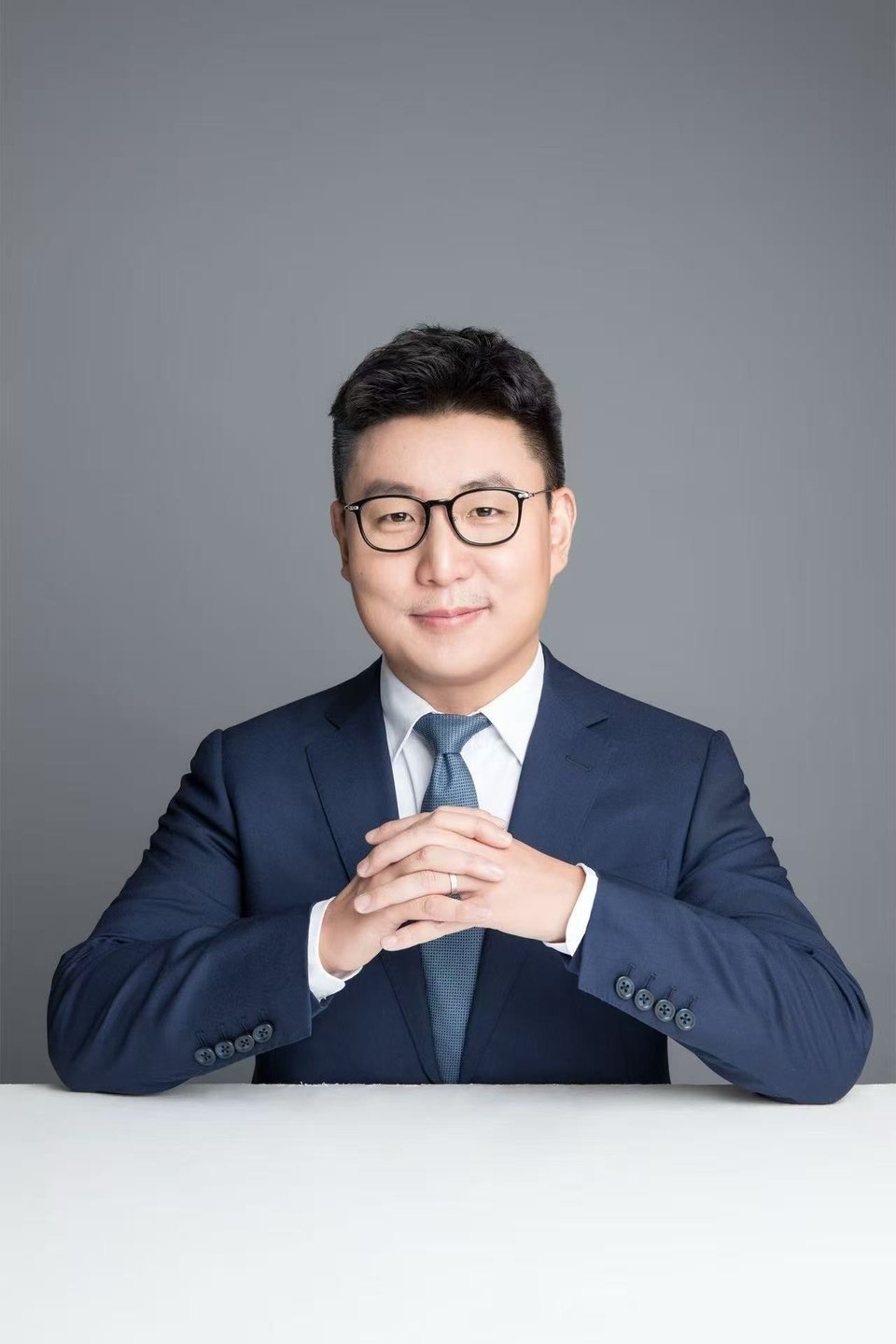
November 1, 2026 marked thirteen years since I founded YouthMBA Academy. That day I dug out four photos of myself: at 10, 20, 30 and 40.
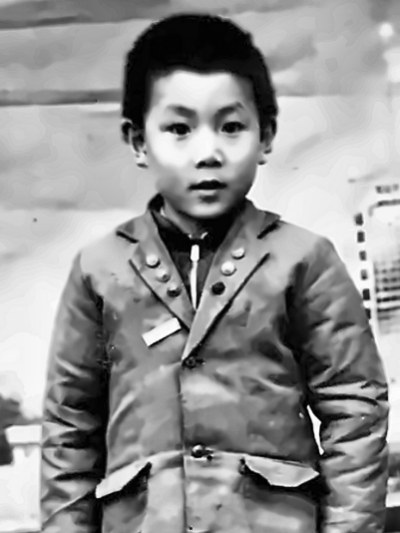 Age 10
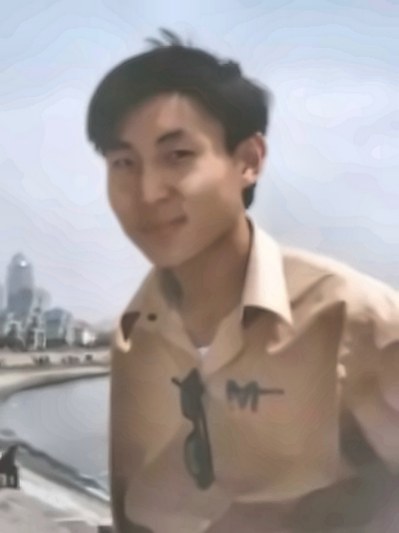 Age 20
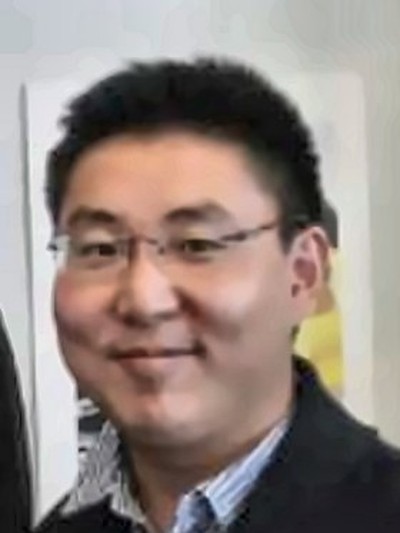 Age 30
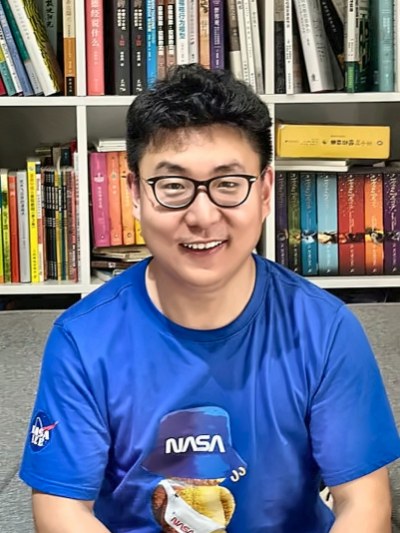 Age 40
The one at 10 was taken in front of a backdrop at a photo studio. What you can’t see is my cloth shoes. One had a hole in it, and my big toe was poking through.
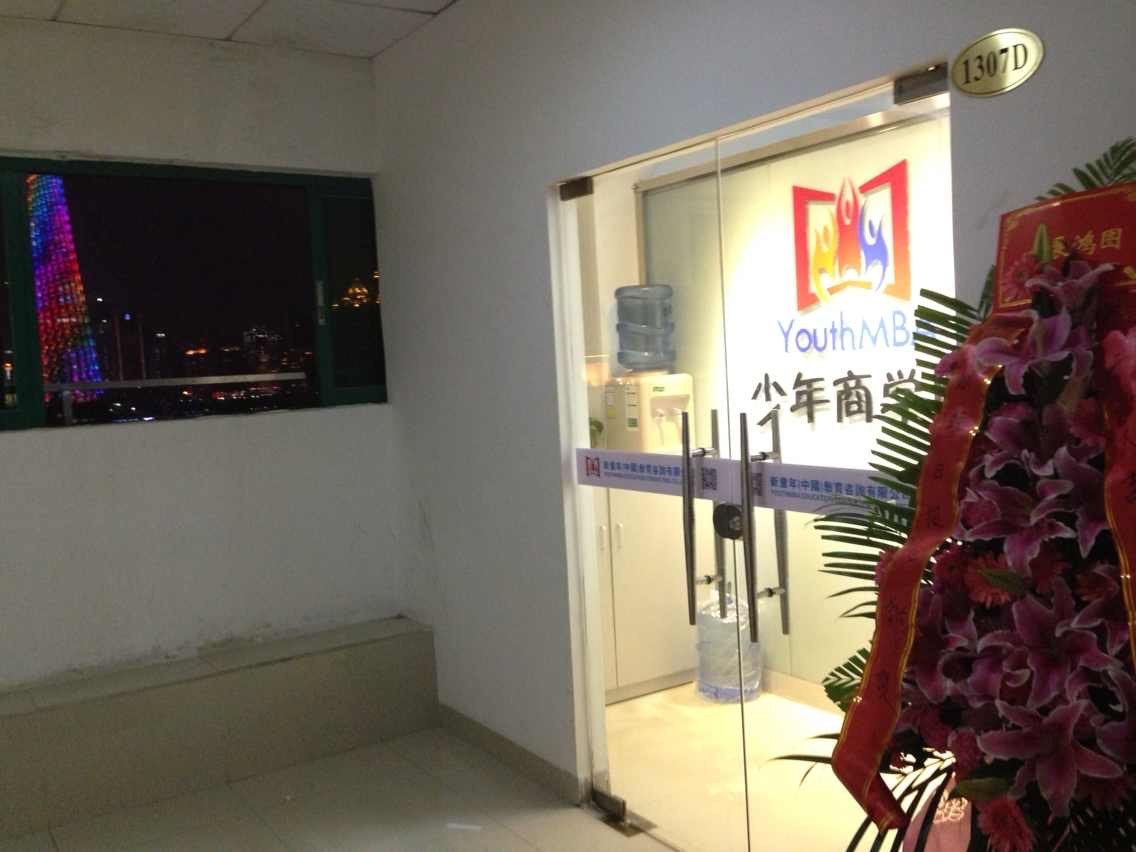
Thirteen years earlier to the day, on November 1, 2013, I started a company in an office building in Guangzhou. We were on the 13th floor, but the elevator only went to the 12th, so we climbed the last flight. There were eight of us, six of them interns. I had just turned 30.
People often ask me why a business journalist switched to education, and stayed for more than a decade. The answer starts much earlier.
No electricity
I was born in a mountain village in Linzhou, Henan province, the place once known as Linxian, where villagers carved the famous Red Flag Canal out of a cliff. We were poor. Our house had almost nothing in it, and we didn’t have electricity until I was ten.
My biggest dream back then was to ride a train, and one day a plane. In the early 1990s my father, a village teacher, spent two years training in the city of Anyang. My brother, six years younger than me, visited him once and came home to act it out for me, and to show off a little: he had ridden in an elevator. I was envious for a long time.
Being poor, the one thing I could hold on to was school, and I was usually top of my class. My father taught at the village school and my mother farmed. They went through a great deal to get both their sons out of that village. To this day, I think they are the most remarkable people in the world.
The boy who wanted to be a journalist
At sixteen I watched Yang Lan’s interview show on TV and read biographies of Rupert Murdoch and Walter Lippmann. For the first time I learned there was a job where you could meet and interview all kinds of people, tell the world what you had seen, and ride trains and planes along the way. I wanted to be a journalist.
Then I bombed the gaokao, China’s college entrance exam. I was nearly always first, and I stumbled on the one test that counted most. I was in the top class at a leading high school and not yet 17. My teachers and parents said: don’t worry, repeat a year and Tsinghua or Peking University will still be yours.
But I couldn’t face another stifling senior year. I accepted whatever university and major I was assigned, and ended up at a modest provincial university, today’s Henan University of Economics and Law. Later I earned a fully funded master’s place at Ocean University of China.
I never let go of journalism. During my master’s I wrote constantly, publishing nearly a thousand economic commentaries, and went on to write columns for Business Watch, Shanghai Securities News and Modern Weekly. The student who ran the mailroom would come to our dorm with a stack of payment slips, pull out one or two for himself and hand me the rest: “These are all yours.”
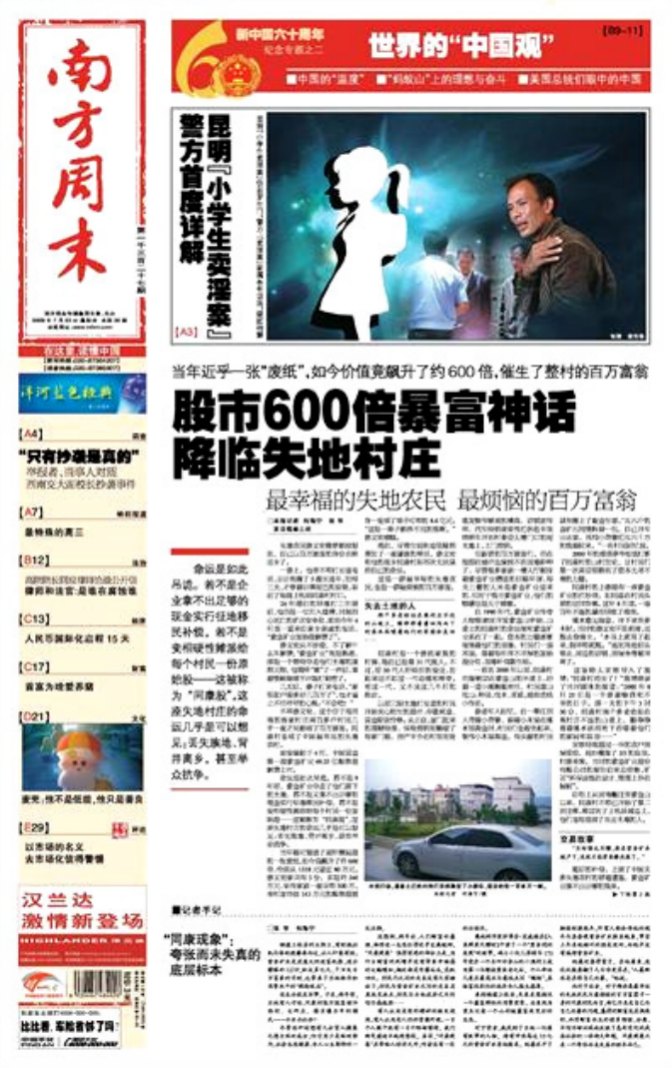
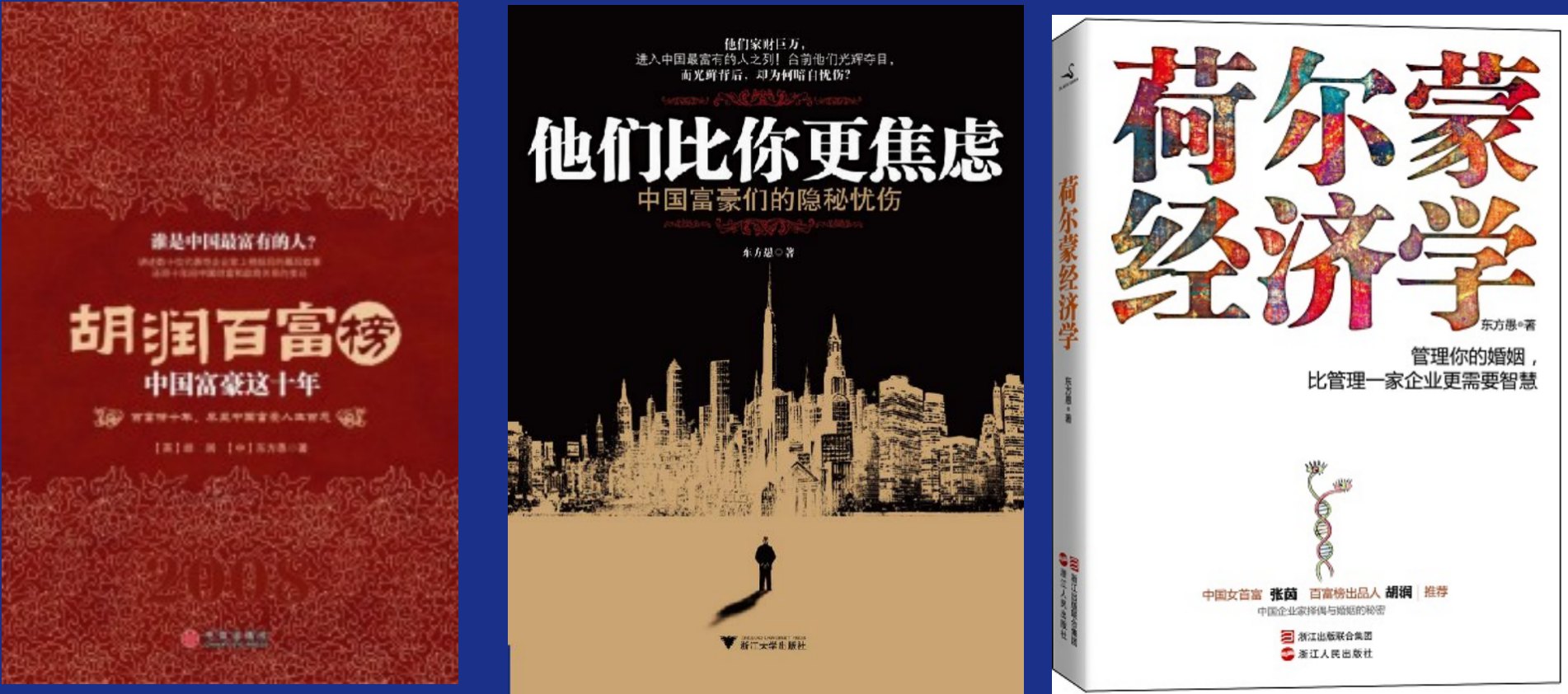
After graduating I joined Southern Weekly as a business and profile reporter. Over eight years in journalism I wrote three million words, reported from ten countries and more than a hundred cities and towns, and interviewed nearly a hundred entrepreneurs. In 2008 I published my first book, A Decade of China’s Rich, with Rupert Hoogewerf of the Hurun Report, with Wu Xiaobo as publisher. Two more followed, They’re More Anxious Than You and Hormone Economics. My friends called them the “Tycoon Trilogy.”
Had I stayed on that path, I would probably have remained a decent business writer.
A father’s question
In 2011 I became a father. From then on, at the end of every interview, I asked one extra question: how do you raise your children?
At the end of 2012 I led the last big project of my reporting career, sending ten journalists to ten countries to look at the world’s richest people. I sent myself to Denmark and spent three and a half hours with the CEO of LEGO. More than half of it was about raising children, and how Eastern and Western ideas about education differ.
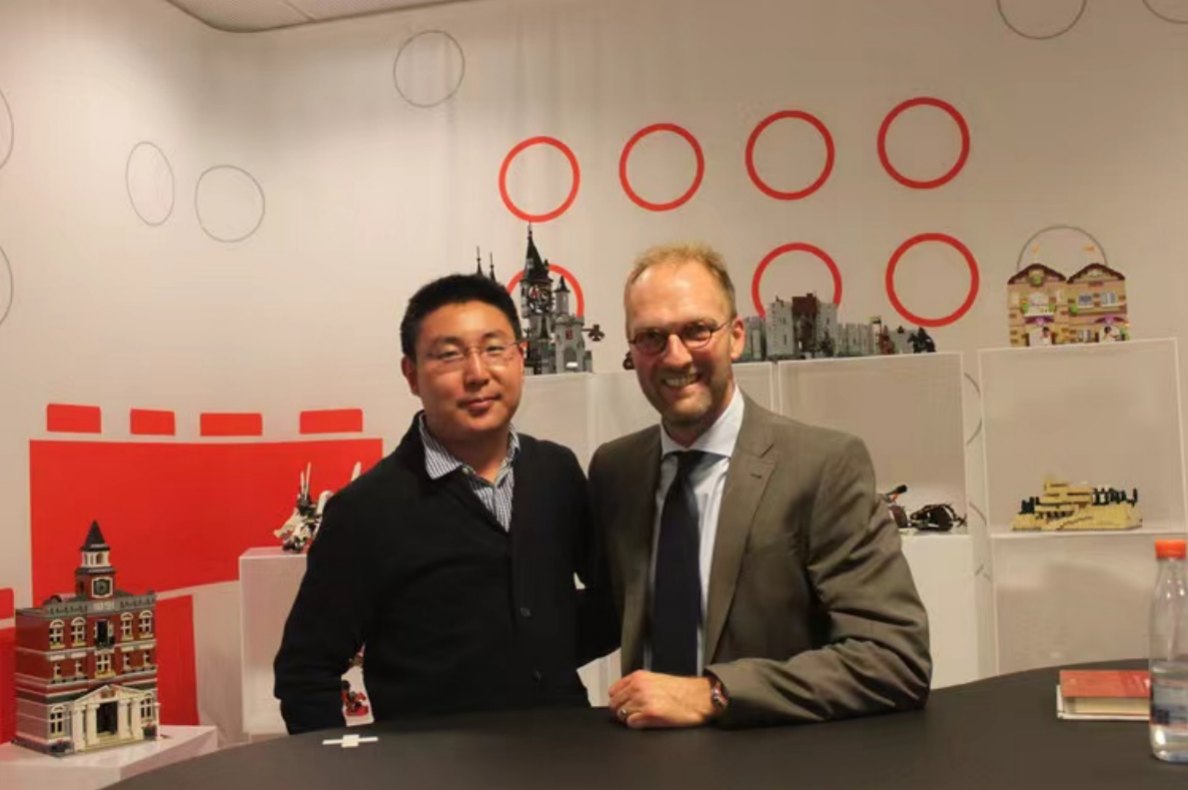
From all those conversations, three ideas stayed with me. Every child has a gift. Parents should help children build breadth of knowledge and depth of thinking from an early age. And life is a journey, not a race: get out into the real world to connect, to try and to create.
All three ran against the education I grew up with. My generation learned to compete: for grades, for rankings, to be first across the line.
My second child was born in March 2013. Not long after my 30th birthday, I realized I could see exactly where my career was heading. I wanted to do something that would help my own children, and many others. On November 1 that year, YouthMBA Academy opened.
A polar bear
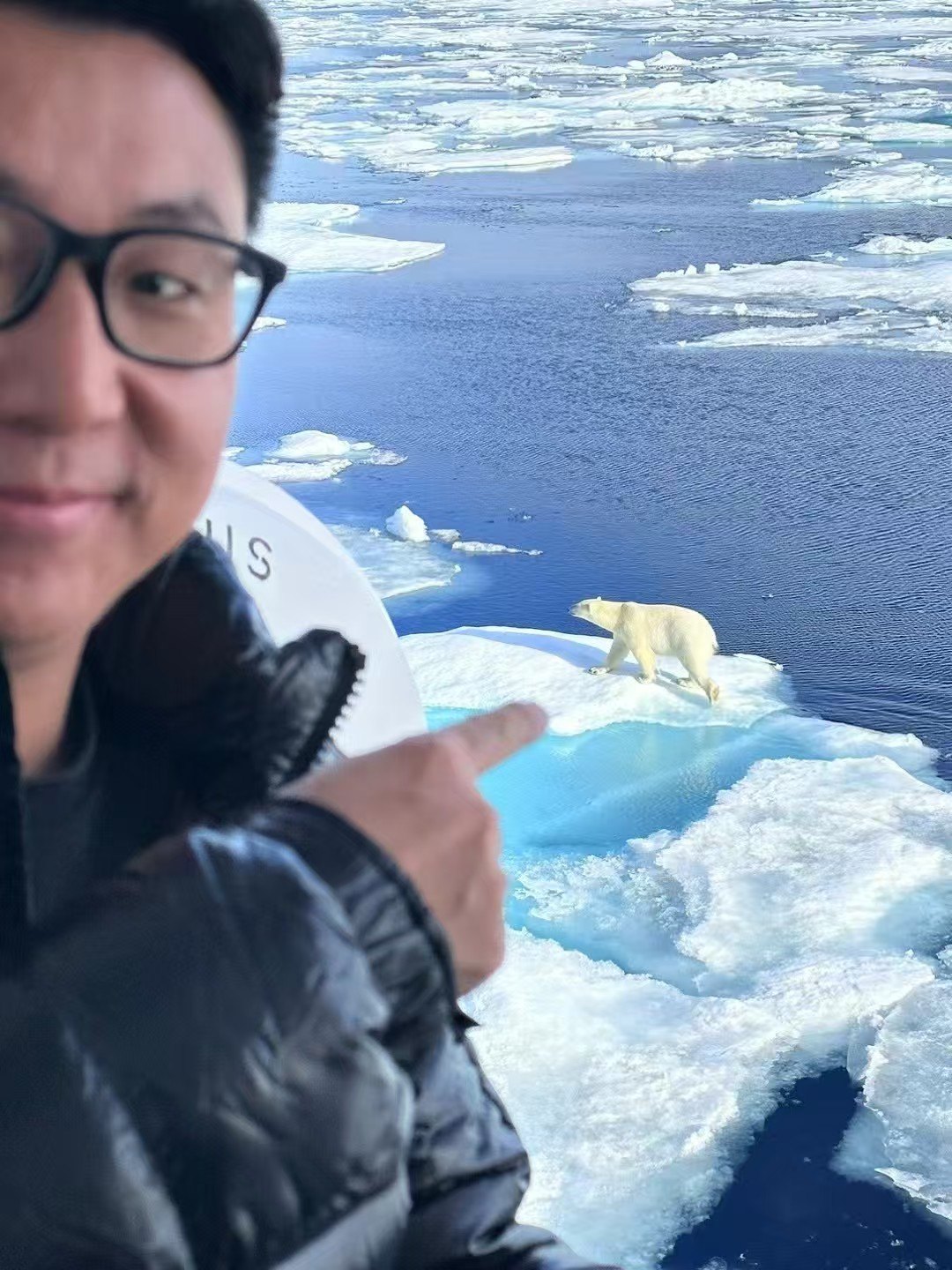
YouthMBA’s logo is a polar bear: tough, and able to survive in the harshest conditions. When I started out I had never seen a real one. In 2023 I finally took my son to the Arctic and saw one with my own eyes.

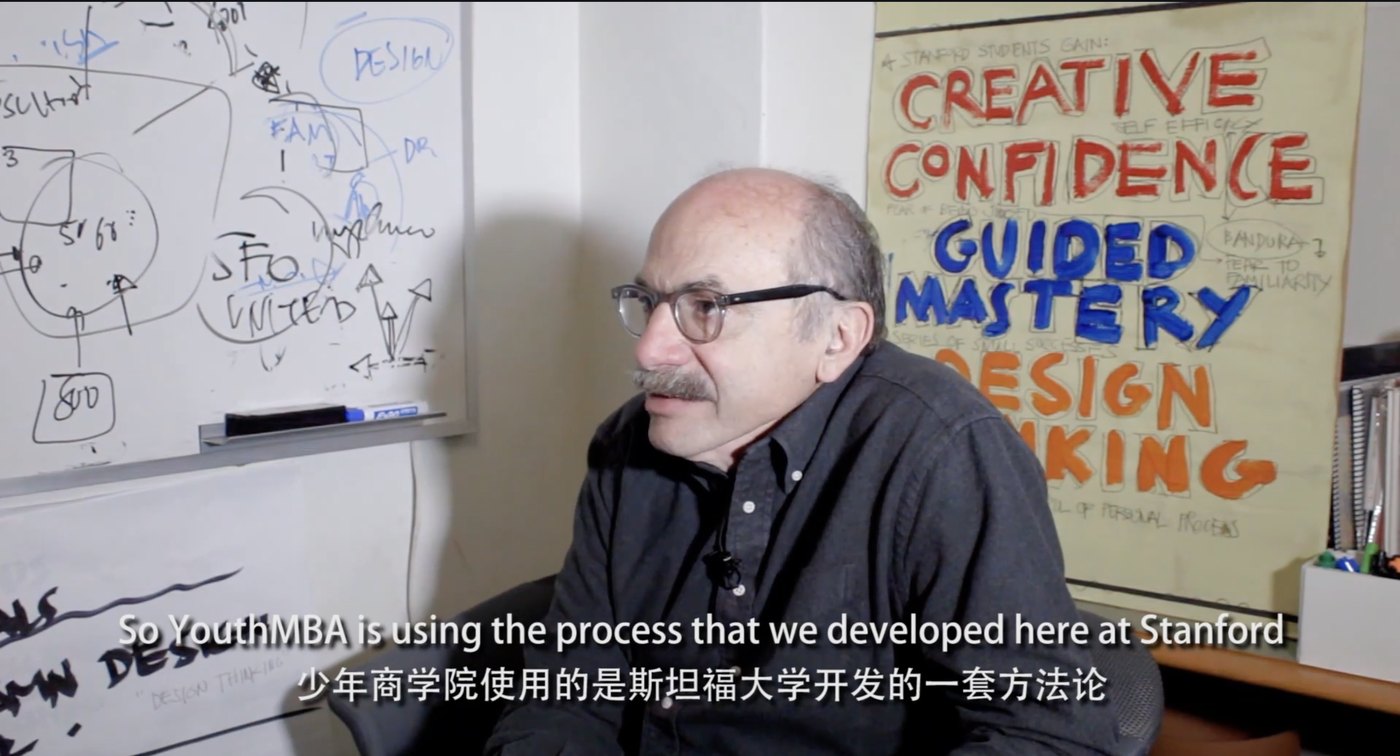
I built YouthMBA on three ideas: liberal education, design thinking and the real world. In 2014 David Kelley, founder of the Stanford d.school, authorized us to promote design thinking education in China. We took children out of the classroom and into their neighborhoods and the business world to solve real problems. YouthMBA was likely among the first education companies in China to combine online and in-person project-based learning.
2016 was a high point. We co-led a Ministry of Education research project with the Beijing Academy of Educational Sciences and hosted the New Learning Revolution forums with Minerva University in Beijing, Guangzhou and Chengdu. Beijing Shijia Primary School, Fuxue Hutong Primary School and Shanghai Pinghe School became partners, and we had partners in ten cities.
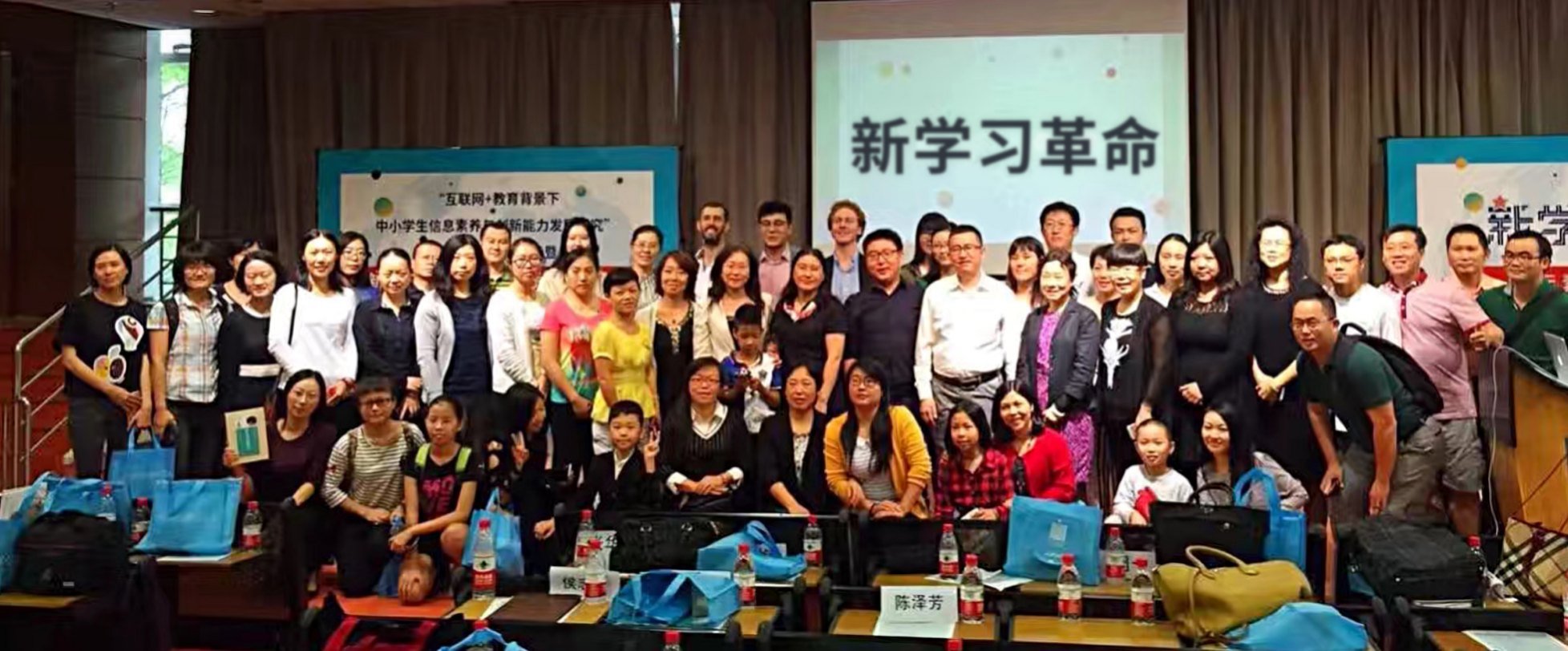
Years later, a vice principal at Yungu School in Hangzhou, founded by Jack Ma and his Alibaba partners, told me that while they were planning the school in 2016, they had studied, and even borrowed from, YouthMBA’s design thinking program. Few things have meant more to me.
The darkest hour
The real low point came in 2021. China’s “double reduction” policy, the pandemic and other pressures all hit at once. The whole industry was shaken, and we were under more pressure than ever.
I barely slept. Then a young student of ours died, and that was nearly the last straw. It was the lowest point of my life.
I am deeply grateful to my wife. In 2027 we will have been married twenty years, and she is the light of my life. Back then she told me: “Just don’t let your health go. I know you’ll start again, because I know how much you love what you do.”
In front of the camera
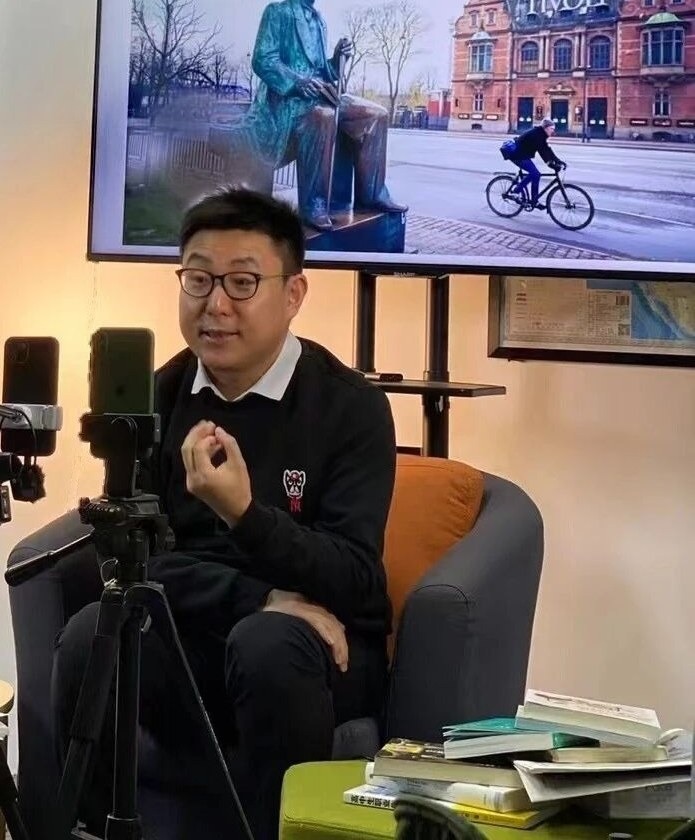
In those darkest days I made three decisions. First, shrink the team and stop the losses. Second, get some air before I broke: I took up a visiting scholar post at the National University of Singapore, and the whole family moved to Singapore. Third, step out from behind the scenes and go live. A livestream has no walls. More than that, I believed that helping others heal is the best way to heal yourself.
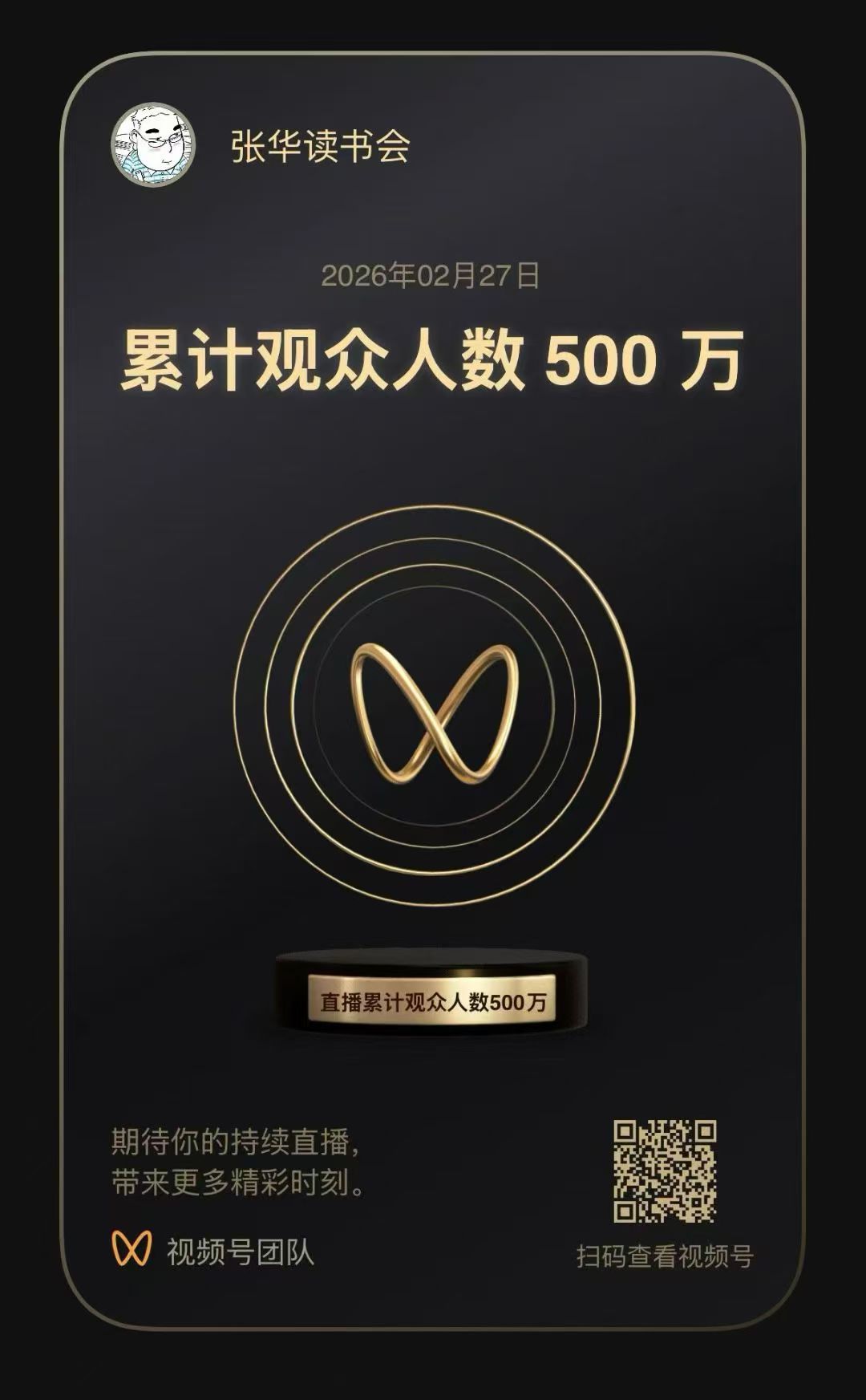
On New Year’s Day 2022 I started livestreaming every morning. To be honest, at first it was about keeping the company alive. Along the way I realized that money is a result, not a reason.
I set myself a goal: 2,000 livestreams between the ages of 40 and 50, reaching 10 million families. It is a marathon of a social experiment. A new topic every day: methods, real cases, the thinking underneath, and live Q&A with parents.
New opportunities
People ask whether I’ve had any regrets in these thirteen years. I haven’t.
Every choice I made followed what I love, not whatever was hot at the time, and I can stand behind all of it. Many YouthMBA students went on to excellent schools, but I never take credit for that. They earned it themselves. It is a result, not a reason.
I have changed a lot, too. I used to want to raise high achievers; now I want to help children discover themselves. I used to want to give children more resources; now I care more about sparking their ability to learn on their own. I used to plan children’s lives for them; now I want them to lead their own. I write about all three in more detail on my Philosophy page.
2023 marked ten years since I founded YouthMBA. That year I was likely, once again, among the first founders in China to work on AI education for young people: I launched the AI Future School Project to redesign learning and growth for the next generation.
I gave myself another ten years for two wishes. That more young people would not only do well on tests, but think independently and learn on their own. And that more children would find what they truly love, without all growing up by the same map.
Three role models
Beyond my parents, I have three role models. Each gave me one quality, and those three qualities happen to begin with A, B and C.
Bruce Lee taught me Authenticity: refuse to be boxed in by any one school, and fight in your own style.
Winston Churchill taught me Bravery: in the darkest hour, never give up.
Richard Feynman taught me Curiosity: keep asking how the world works, the way a child does.
My three role models
 Bruce Lee
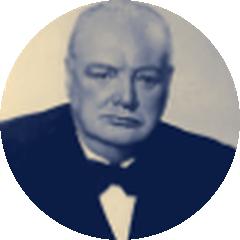 Winston Churchill
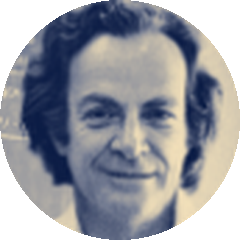 Richard Feynman
Three qualities I value most
- AAuthenticity
- BBravery
- CCuriosity
As a child I had very little self-confidence. Now I have plenty. Where did it come from? From doing things. Conditions are never perfect, and action is the best cure.
Someone once asked people on the street: if you could say one thing to your younger self, what would it be? Eight in ten said, “Be braver.” I think I need to be braver today than I was ten years ago.
In 2023, standing on a ship in the Arctic with my son, I watched a polar bear walk slowly away across the ice.
In that moment I thought of the 13th floor of that building in Guangzhou, and of the boy with a hole in his shoe. He had no idea where the road would lead.
Meaning is discovered, not engineered.